The Foundation
Pupils
Students
Universities


Field Robot Event

Who is going to be the leader of the pack?

Do you wish to construct your own autonomous robot and participate in the international Field Robot Event? The CLAAS Foundation can help you – up to a maximum amount of 1.500 Euro per team.

Application for Team Support

The CLAAS Foundation supports new teams with up to 1.500 Euro.

The CLAAS Foundation supports the organization of the event and also individual new teams. 
 

  • Are you a team of students?
  • Do you wish to construct your own autonomous robot and participate in the international Field Robot Event?
  • You need financial support to get the basic equipment for your robot?
     

The CLAAS Foundation can help you – up to a maximum amount of 1500 Euro per team.

Apply for a seed funding to get your first robot going and email us your application consisting of the following content by 4th May 2026:
 

  • Short covering letter
  • Description of planned robot
  • Information on the team (name, age, course etc.)
  • List and cost of equipment you wish to use and how much funding you require from the CLAAS Foundation.
     

The team selection will completed by the end of May 2026.
 

Looking forward to your application.

CLAAS Foundation

FAO: Sylvia Looks

Muehlenwinkel 1

33428 Harsewinkel

Email: stiftung@claas.com


More information about the event, including how to attend or participate, can be found on the official website.
Field Robot Event

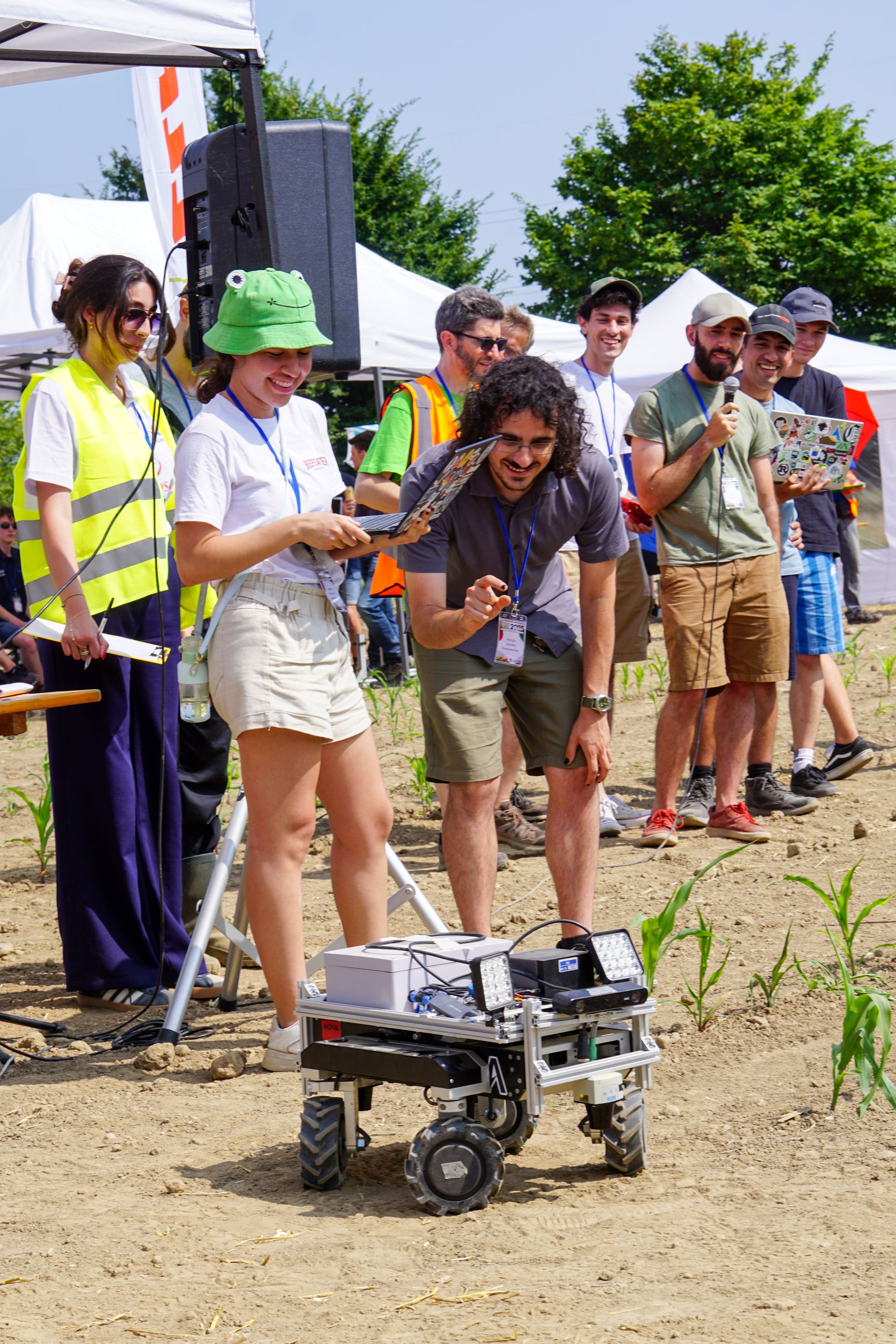
The Field Robot Event is an international competition where university teams design and build autonomous field robots capable of performing agricultural tasks without human intervention.

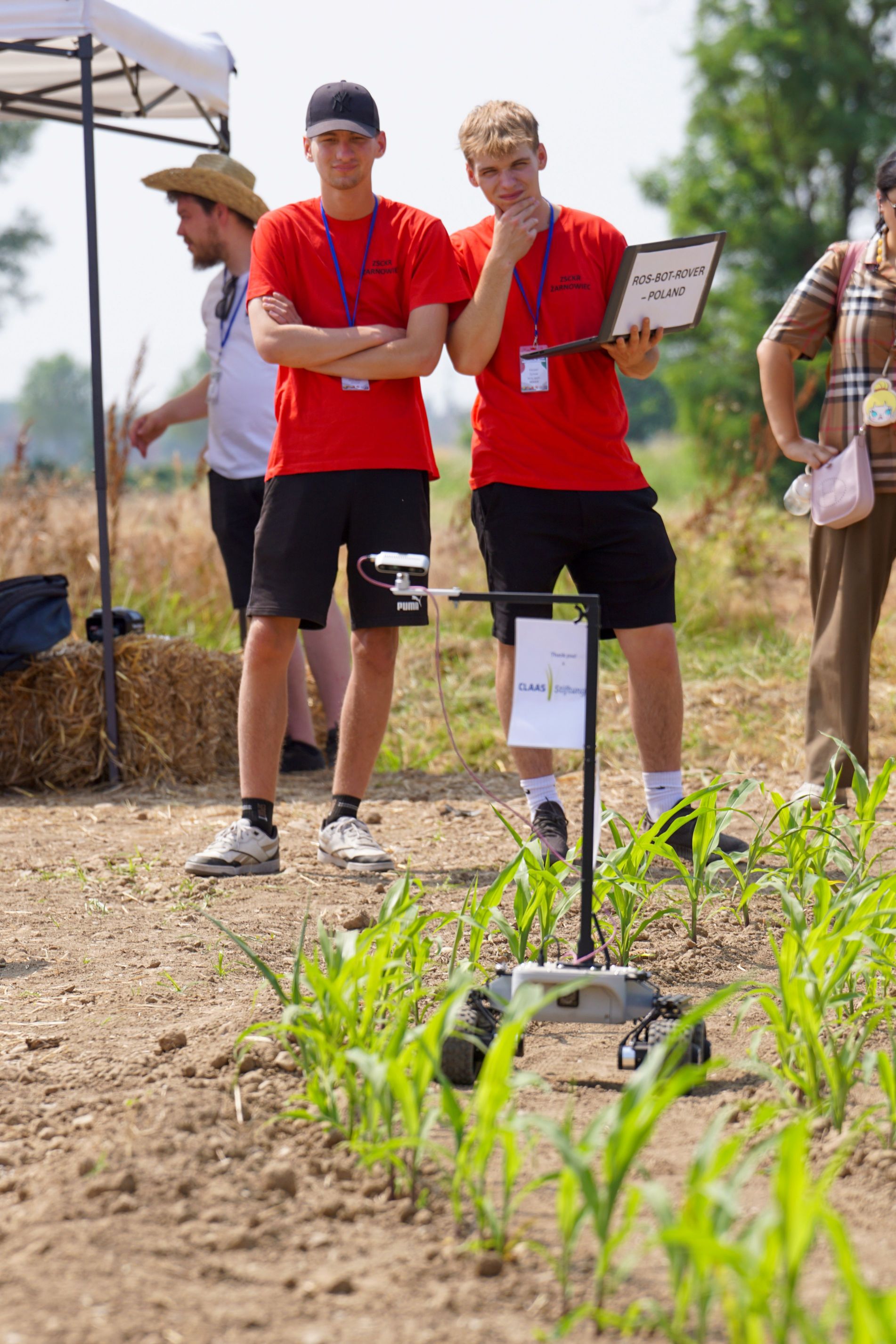
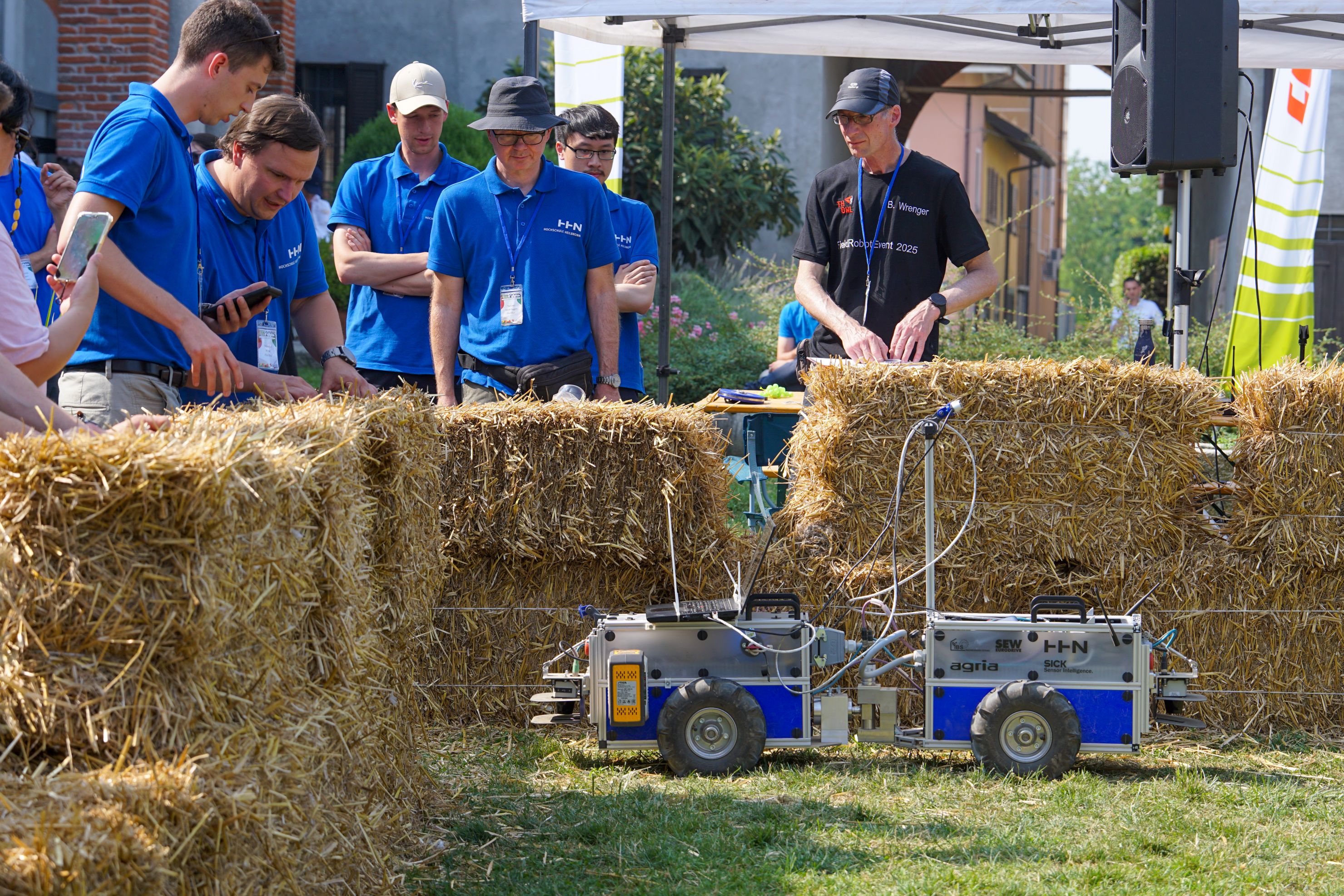
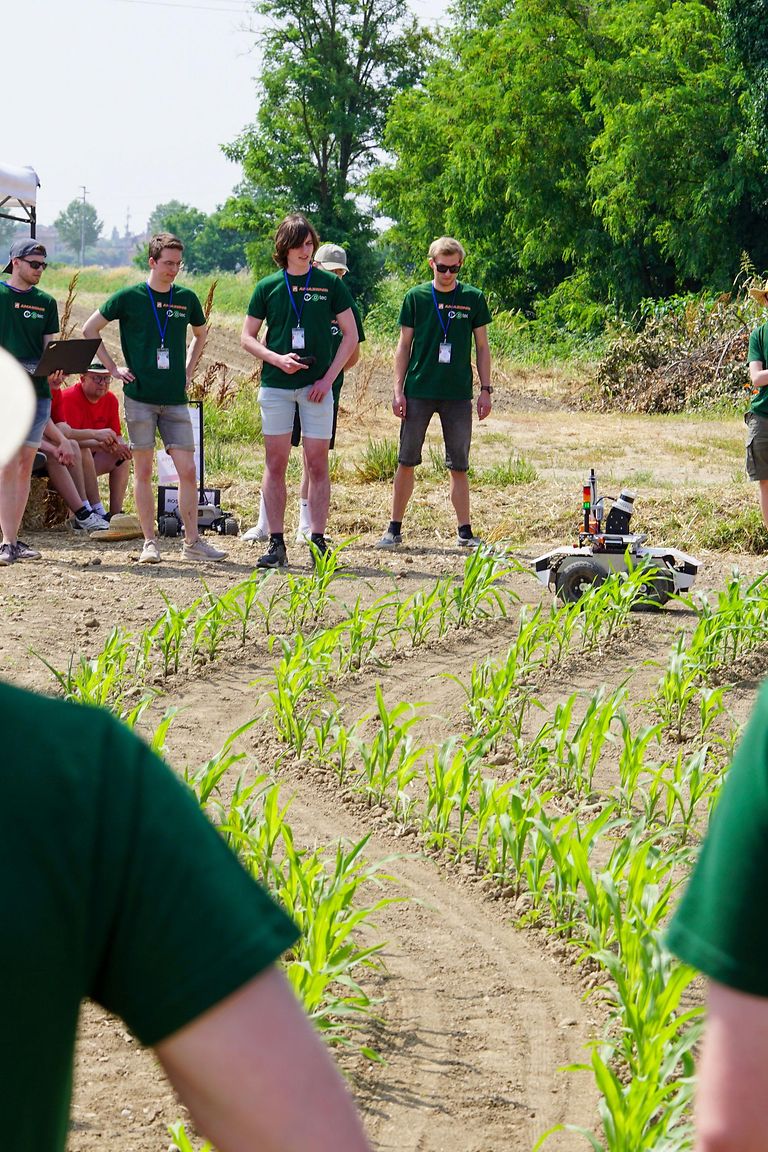
The Field Robot Event is an international competition where university teams design and build autonomous field robots capable of performing agricultural tasks without human intervention. These robots must navigate a series of technical challenges that simulate real field conditions—ranging from precise row navigation and plant recognition to weed detection and obstacle avoidance. Each robot is judged not only on its technical performance but also on its ability to operate safely and reliably in dynamic outdoor environments.


The primary objective of the FRE is to promote innovation in agricultural robotics and provide students with practical experience in applying robotics, artificial intelligence, and engineering to sustainable farming. Through this competition, students are encouraged to explore solutions that address the growing need for automation and precision in agriculture.


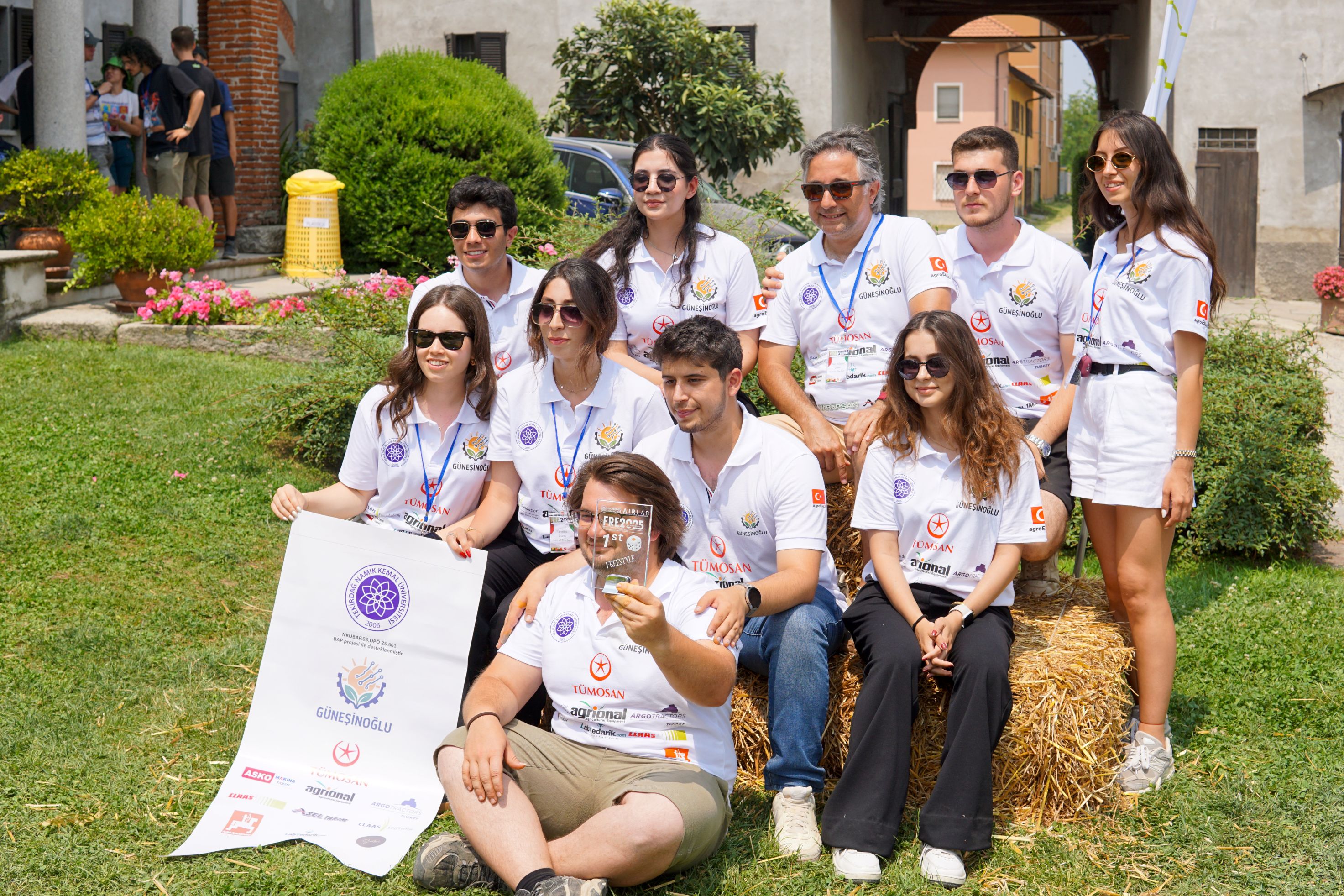
Throughout the event, teams participate in five main tasks that assess different robot capabilities. These include autonomous driving between crop rows, recognizing and avoiding objects, detecting and classifying weeds, and documenting field data. The final day features the “freestyle” challenge, where teams are free to present unique innovations and demonstrate their robots addressing agricultural problems of their own choosing.


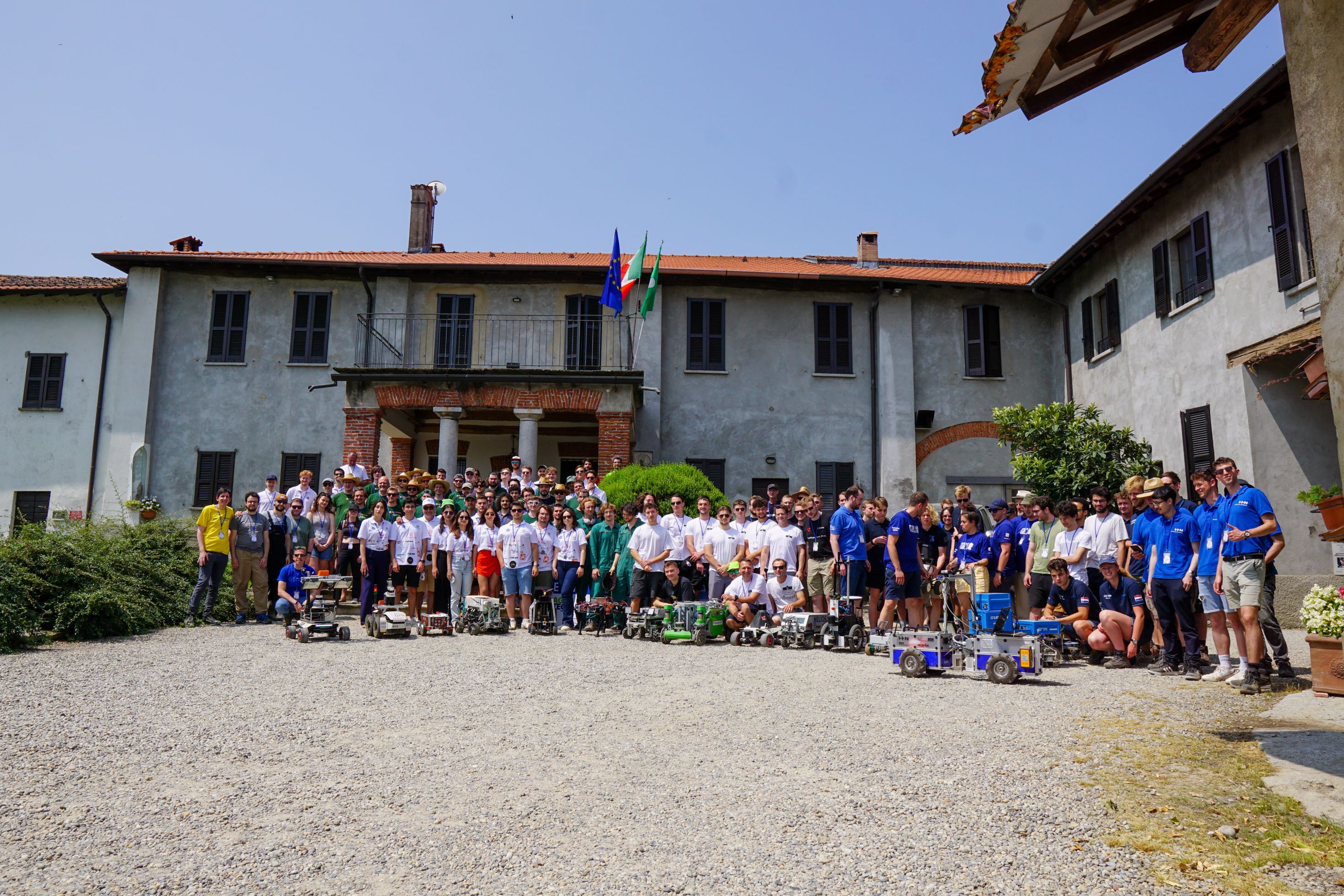
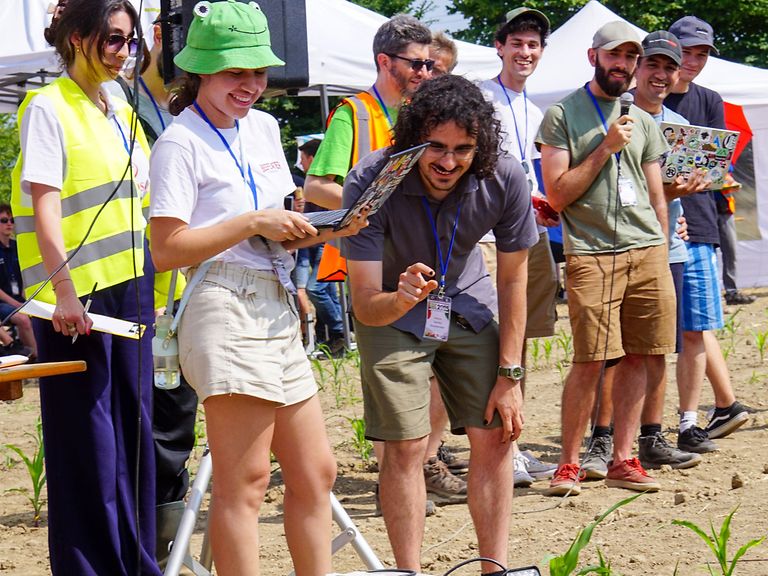
While the event is competitive, it is also highly collaborative. Participants have the opportunity to engage with peers, industry professionals, and researchers in a setting that fosters knowledge exchange and creative problem-solving. The atmosphere is one of shared passion for technology and sustainable agriculture, with a strong emphasis on learning, teamwork, and mutual support.


Since its inception in 2003 by Wageningen University, the Field Robot Event has grown into a respected platform for young talent and a showcase for cutting-edge ideas in autonomous farming. For many participants, it is a launching point for future careers in agri-tech and robotics.