The CLAAS Foundation broadens its scope to North America
The Foundation
Pupils
Students
Universities
The CLAAS Foundation broadens its scope to North America

CLAAS Foundation expands its activities to North America

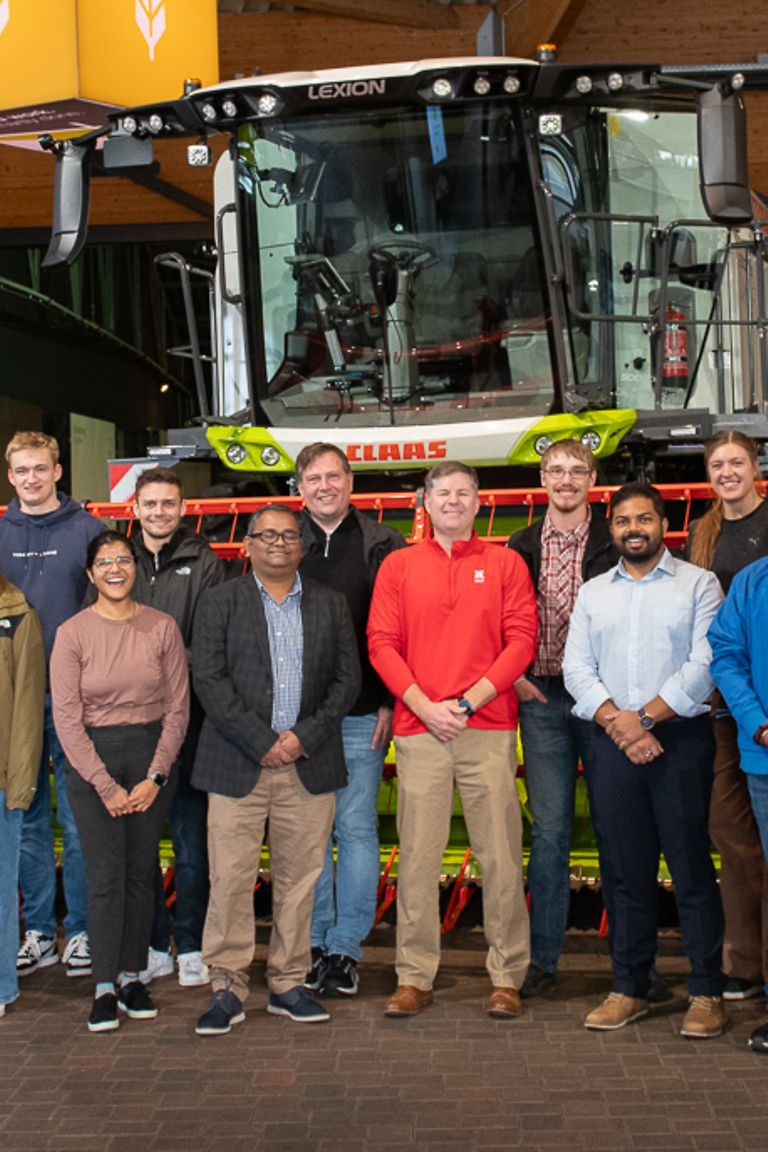
Harsewinkel, November 2025. Building on years of European collaboration, the CLAAS Foundation in Harsewinkel is proud to expand its reach to North America. Its first project is a distinguished University Twinning Cooperation, linking the University of Nebraska Lincoln (UNL) with Osnabrück University of Applied Sciences.


CLAAS Foundation supports new Twinning Cooperation


The first stage of this partnership started with three students from Osnabrück spending two months in Lincoln this autumn, where they joined UNL’s Biological Systems Engineering department for a rewarding exchange of expertise and ideas in robotics and smart, autonomous agriculture.

This was followed by an intensive project week in Osnabrück, where both German and US students collaborated on the topic of artificial intelligence (AI) application in agriculture. The week’s program featured lectures, company visits - including a highlight at CLAAS with an expert talk on AI - and hands-on project work. One achievement was the development of a chatbot, "TransFarmation," designed to present and discuss similarities and differences between US and German agricultural practices, with a focus on agricultural robotics and the use of AI. The partnership was met with very positive feedback from all participants and partners. The cooperation not only fostered technical exchange and innovation but also strengthened transatlantic understanding and networks in the field of smart agriculture. “I am especially pleased that the CLAAS Foundation, in collaboration with our partners, is launching its inaugural projects in the USA. We value international exchange highly – by nurturing young talent and fostering innovations for sustainable agriculture across the globe”, says Sylvia Looks, Executive Board Member of the CLAAS Foundation.
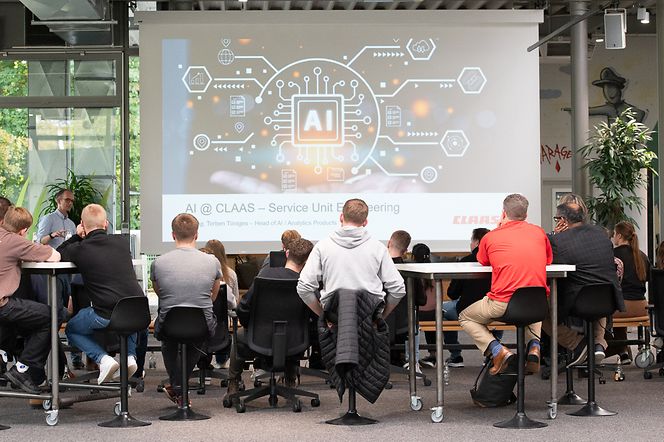
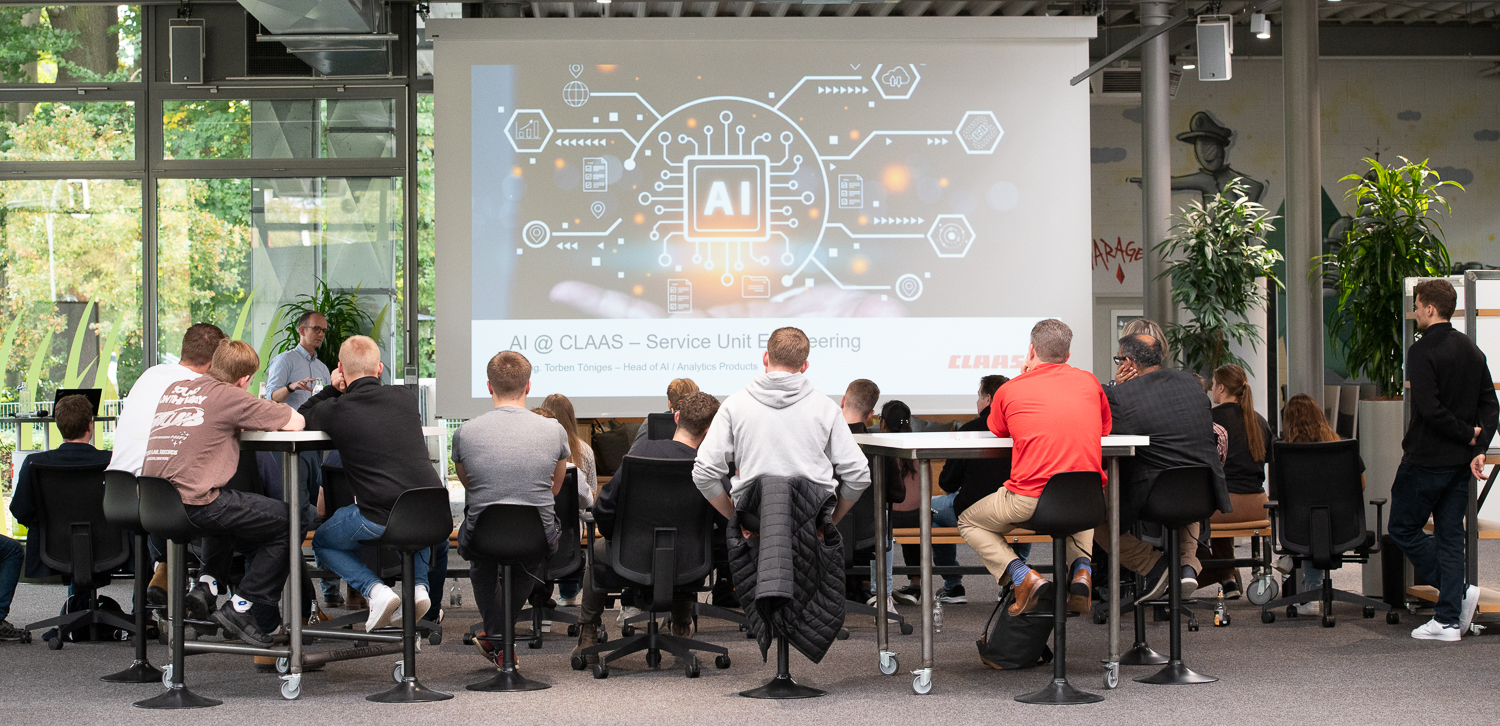
The expert talk about AI was the highlight of the program.

A further project is the NAYI conference powered by the Nebraska Agricultural Youth Institute, which is well-known in agricultural circles and is initiated and organised by the state of Nebraska, is aimed at high school juniors and seniors who want to learn more about starting a career in the agricultural sector. Thirdly, the International ¼ Scale Tractor Student Design Competition, organized by ASABE (American Society of Agricultural and Biological Engineers), is distinctive among engineering contests, offering students a comprehensive, hands-on experience.

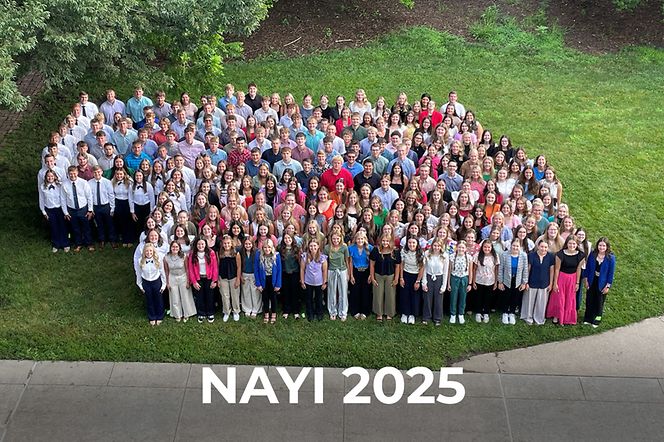
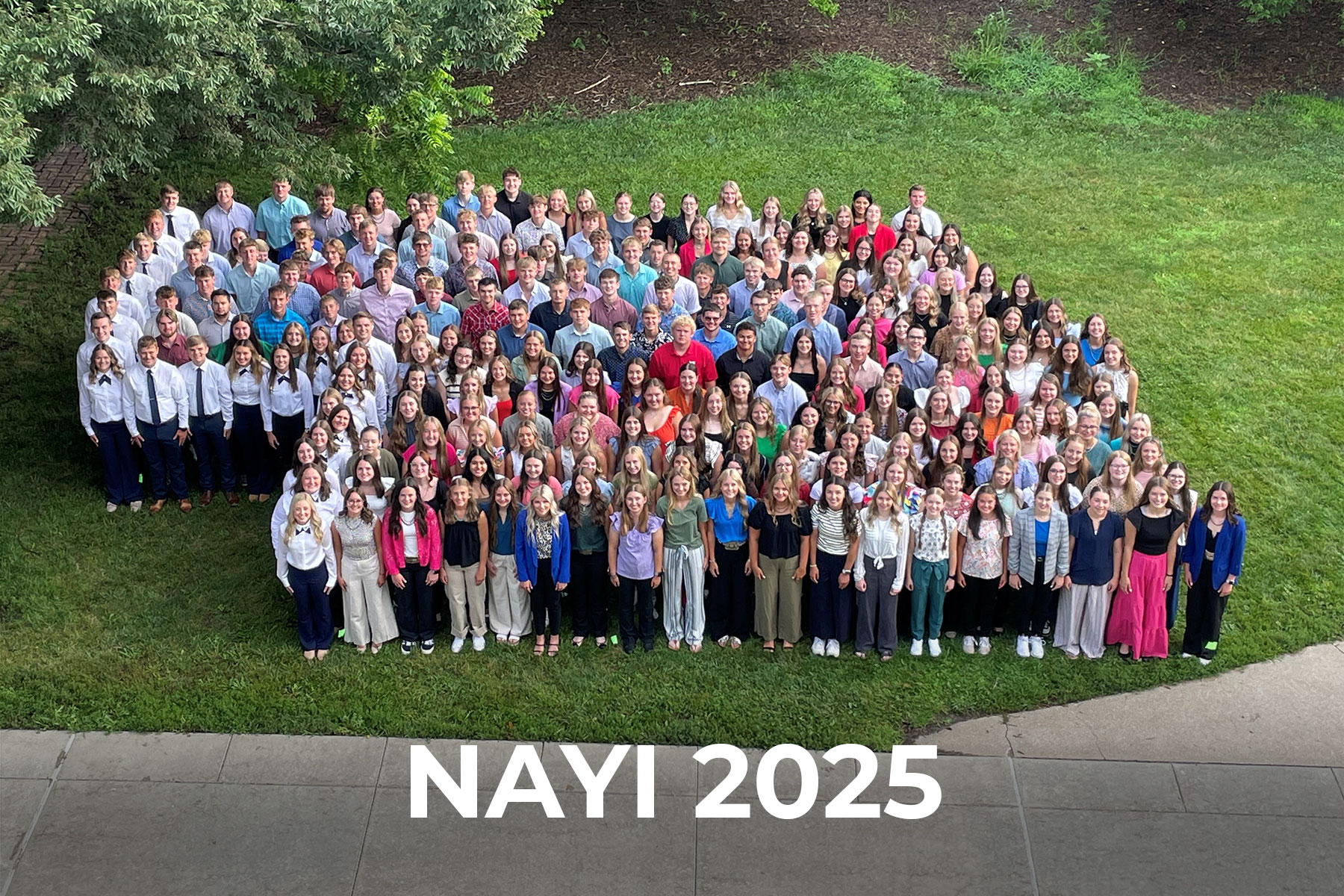
The NAYI is a weeklong program for high school juniors and seniors across Nebraska to explore career opportunities in agriculture. (Students gather to form the recognizable shape of Nebraska). 

NAYI Summer School 2025: A Week of Learning and Growth in Nebraska supported by the CLAAS Foundation for the first time 


From July 7 to 11, 2025, the Nebraska Agricultural Youth Institute (NAYI) held its annual conference, enriching the lives of students through hands-on activities focused on entrepreneurship and personal development. This year, the CLAAS Foundation proudly supported the event for the first time, demonstrating its commitment to empowering youth and fostering innovation in agriculture.


The program featured keynote speakers, including Matt Ristow, President of CLAAS Omaha, who emphasized the importance of skill development and community. Alongside his colleagues, he represented the CLAAS Foundation, highlighting the organization's mission to inspire the next generation of leaders in agriculture.


The 220 high school juniors and seniors engaged in interactive workshops led by various experts, covering topics like effective communication and financial literacy. The practical approach encouraged students to apply their skills in real-world scenarios. In addition to educational activities, the program included team-building exercises and community service, promoting teamwork and lasting friendships among participants. Sylvia Looks summed up the event’s impact, stating: "Investing in our youth is vital for shaping the agricultural experts and innovators of tomorrow." The successful event reinforced NAYI's goal of empowering Nebraska's youth, ensuring they are equipped for the tasks to come.

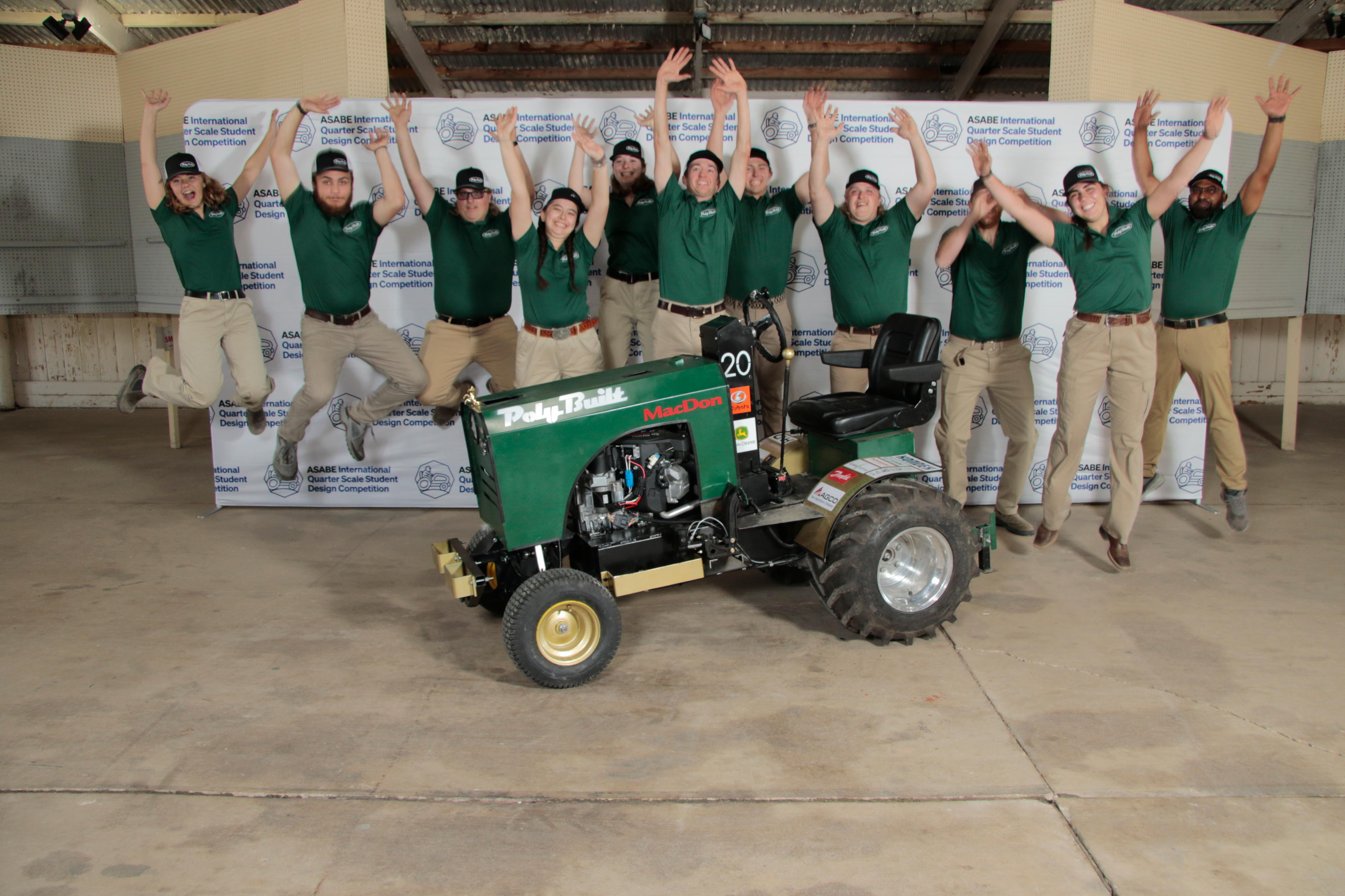
The Winner team “North Carolina State University’s Pack Pullers” could defend their title.

CLAAS Foundation supports the International ¼ Scale Tractor Student Design Competition 


For the first time, the CLAAS Foundation proudly sponsored the International ¼ Scale Tractor Student Design Competition, underscoring its mission to foster education and innovation in agricultural engineering. This year's competition, held in Peoria, Illinois, saw the renowned team “North Carolina State University’s Pack Pullers” defend their title, making it two consecutive years of victory. The event featured 23 teams from across the U.S. and Canada, with Kansas State University and South Dakota State University taking second place, followed by the University of Kentucky and Purdue University in the top five.


The International ¼ Scale Tractor Student Design Competition, organized by ASABE (American Society of Agricultural and Biological Engineers), is distinctive among engineering contests, offering students a comprehensive, hands-on experience. Each team receives a 34-hp Kawasaki engine and a set of Titan tires, tasked with designing and building their own tractors from the ground up. Their designs are evaluated by a panel of industry experts based on criteria such as innovation, manufacturability, serviceability, safety, sound levels, and ergonomics. Participants are also required to submit a written design report in advance and present their designs to industry professionals mimicking a corporate management team.


The participation of the CLAAS Foundation in this competition aligns perfectly with its aims of promoting education, advancing research, and supporting hands-on learning experiences in the agricultural sector. The foundation aims to empower the next generation of engineers and innovators, ensuring that they are well-equipped to tackle the challenges facing the agricultural industry today.